
 03. 11. 2012
Mecha Anzoátegui, Cuerpo y Alma
 New, Performers
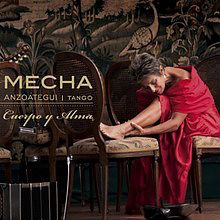 Not an easy feat, but she has accomplished it successfully! Mecha Anzoátegui presents traditional and well-known Tangos on this CD, giving these frequently interpreted songs a fresh and personal patina with her Alto voice. With her fourth album “Cuerpo y Alma” the singer has given us twelve Tangos and Milongas, accompanied by only two instruments played by the guitarrist César Angeleri and the bandoneon player Pablo Mainetti. Her full and resonant voice brings out the inherent melancholic character of melodies such as those of “Fuimos” and “Nieblas del Riachuelo”. All twelve pieces are wonderful to listen to, especially now during the fall season.
27. 09. 2012
Astor Piazzolla by "Luz y Sombra"
Neo, Performers
Inspired by their fascination for “Tango Nuevo”, three young musicians founded the group “Luz y Sombra” during their studies at University of Arts Berlin.
With creativity and passion, the trio is since then arranging and performing the multifarious opus of Astor Piazzolla throughout Germany.
Featuring violin, clarinet and piano, the group emerses the audience into the emotional world of Piazzolla’s music, a music full of desire, grief and joie de vivre at the same time.
15. 05. 2012
Trío Central - No False Alert!
New, Performers
Trío Central – Falsa Alarma
First of all: „Falsa Alarma“ (“False Alert”) by Trio Central is simply brillliant and one can only wish for such a false alarm! My favourite pieces are “El Pollo Ricardo” and “Boedo” – the wonderfully playful piano is just ingenious here as well as the replying bandoneon. Or perhaps all of the songs are my favourite pieces?
08. 05. 2012
179 x Carlos di Sarli
Classic, Series, Performers, Albums Tango
 15 albums with 179 tango tango, vals and milonga tracks by Carlos di Sarli – this continuation of releases belonging to our series “Tango Classics” presents an array of recordings from the 1950s. Please click on the following list for a survey – even tango experts will not know all the titles published here …
Some information about the series “Tango Classics”
20. 04. 2012
Ensemble Libertango – El Porteño - Suitably Framed by Piazzolla's Four Seasons in Buenos Aires
Neo, Performers
The very first piece makes me wander off into the land of daydreaming. „Prepárense“ – „Prepare Yourselves!“ is the appropriate title of the first Tango by Astor Piazzolla on this CD by the Ensemble Libertango. And so I am preparing myself for further auditory pleasure which this CD promises. Piazzolla provided nine further compositions to this CD. The perfect chill-out music accompanying a longdrink or cocktail at sunset – and letting the day’s events pass review again before I eventually leave it all behind and allow myself to indulge in the freely floating associations that this music evokes. During spring in Buenos Aires („Primavera Porteña“) I see the lush blue-violet coloured blossoms of the jacaranda trees, perfect beauty beyond comparison.